Reliable Heron And Burke Construction
Reliable Heron And Burke Construction
Blog Article
Determining the Optimal Home Builder: Your Blueprint to Dream Homes
Choosing the suitable home builder is an vital step in achieving one's perfect living space. It demands thoughtful consideration and comprehensive research. A array of factors come into play, from a builder's expertise to their communication style. Understanding these elements can markedly impact the construction journey. As one navigates this intricate process, certain key aspects demand attention to ensure a successful outcome. What should one prioritize to make an informed decision?
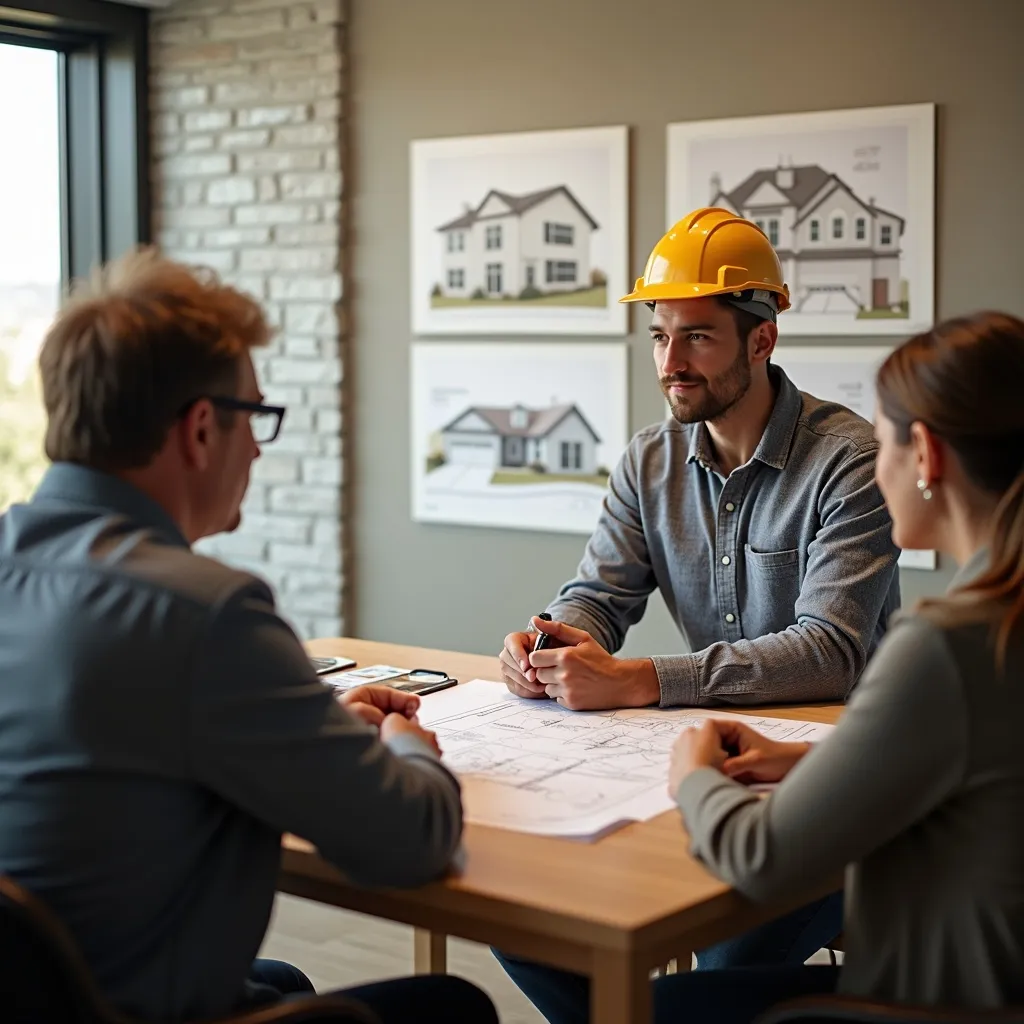
What's the Most Effective Way to Commence Looking for a Home Builder?
How does one begin on the path to find the right home contractor? The first step requires conducting comprehensive investigation to determine potential candidates. Prospective homeowners should leverage digital platforms, such as ratings and feedback, to gauge the standing of various builders. Networking can also be advantageous; requesting recommendations from acquaintances, family, or real estate professionals frequently leads in reliable options.
Next, people should go to local open houses or housing exhibitions, providing hands-on knowledge of a contractor's projects. It is vital to create a shortlist of builders who align with personal desires and project specifications.
Once this list is established, homeowners can move forward to arrange consultations. During these meetings, examining previous projects, timelines, and communication styles can expose much about each builder's approach. This foundational stage is significant, setting the stage for a successful construction journey ahead.
Important Criteria for Assessing Home Developers
Examining home building firms requires a methodical process to validate that the selected candidate fulfills specific standards and expectations. Critical factors comprise experience, reputation, and quality of work. A builder's portfolio should feature completed projects that correspond with the desired style and functionality.
Reviews and assessments from previous clients offer insight into trustworthiness and client happiness. It is also important to examine the contractor's communication skills and quick response time, as these characteristics can notably influence the complete journey.
Additionally, comprehending the builder's warranty policies and compliance with local building codes is essential for long-term peace of mind. Financial stability should not be overlooked; a respected builder will have solid financial backing, enabling them to deliver developments on schedule and cost. By emphasizing these criteria, potential homeowners can make educated choices when selecting the appropriate contractor for their perfect residence.
Examining Tailoring Options in Home Design
What determinants impact the modification possibilities obtainable in residential architecture? Several aspects play a significant influence, encompassing the builder's track record, the construction materials incorporated, and the local building codes. Seasoned contractors often offer a wider range of customization options, as they have developed alliances with distributors and subcontractors. Additionally, the nature of structure—whether it's a single-family residence or a multi-family unit—can prescribe the extent of design customization.
To make informed decisions about customization options, homebuyers should also consider the construction timeline, as more elaborate designs may extend the construction period. Location can influence available styles and materials, as specific designs may be more suitable or preferred in particular areas. Ultimately, budget constraints can restrict choices, as detailed features and premium materials typically come at a premium. Recognizing these considerations can assist buyers make informed decisions when exploring customization options.
Understanding Pricing Structures
Grasping pricing structures is vital for home purchasers navigating the challenges of the building endeavor. Various builders use different pricing models, which can substantially affect overall costs. Set pricing provides certainty, allowing buyers to understand the final expense upfront, while cost-plus pricing requires paying the actual construction costs plus a fixed fee, creating potential for deviations.
Additionally, some developers present a mixed model, blending elements from each approach. Homebuyers should also consider included features and upgrades, as these can considerably influence the final price. Itemized estimates provide clarity, enabling buyers grasp where funds are distributed.
It is vital for buyers to evaluate payment schedules and potential hidden costs, such as permits or site preparation. By deeply comprehending these structures, prospective home owners can make informed decisions, ensuring they pick a construction company whose rates corresponds to their spending plan and desires.
Why Effective Communication Is Critical When Picking a Builder?
Vital interaction becomes necessary when selecting a home builder, as it strengthens trust connecting the client and the builder. By verifying that project scope read this article and expectations are thoroughly explored, parties can avoid expensive misunderstandings. Ultimately, transparent dealings establishes the basis for a successful building experience.
Fostering Confidence Through Clarity
How can future homeowners confirm their vision corresponds to their builder’s skills? Building faith through openness is essential in this relationship. Clear communication promotes understanding, guaranteeing that both parties are on the same page regarding project goals, timeframes, and design details. Homeowners should express their desires while actively listening to the builder’s opinions and proposals. Consistent communications and open dialogue throughout the construction process further solidify this trust, allowing for modifications as needed. Transparency in sharing project challenges and solutions also deepens this bond, making it easier to manage potential hurdles together. Ultimately, clarity in communication not only unites visions but also creates a strong foundation for a successful partnership, leading to the realization of the homeowner’s dream home.
Avoiding Pricey Misunderstandings
What occurs when expectations branch between homeowners and builders? Conflicts can lead to costly delays, budget overruns, and dissatisfaction. Clear communication is crucial to align visions and guarantee that both parties are on the same page. Homeowners should articulate their desires, preferences, and budget constraints from the outset. Builders, in turn, must present transparent timelines, costs, and scope of work. Regular communications and open dialogue foster trust and allow for adjustments as necessary. Documenting agreements in writing helps to avoid future disputes. By valuing clarity, both homeowners and builders can mitigate risks, leading to a smoother construction process and a more satisfying end result. Ultimately, clear communication is the foundation of a successful building experience.
Verifying Recommendations and Feedback: Superior Approaches
When selecting a home contractor, verifying references and testimonials is crucial for making informed decisions. Assessing feedback from past customers provides insight into the builder's reliability and quality of work. Understanding both direct references and online evaluations can greatly influence the builder's credibility.
Significance Of References
While many elements influence the decision of a home builder, the crucial nature of verifying references and reviews cannot be overstated. References give firsthand accounts of a builder's trustworthiness, craftsmanship, and professionalism. Engaging directly with past clients allows potential homeowners to gain deeper understanding into the builder's communication style and ability to meet deadlines. Furthermore, reviews can highlight patterns in the builder’s performance, whether positive or negative. This data is vital for making an educated choice, as it can uncover potential red flags or strengthen confidence in a builder's expertise. Ultimately, rigorous reference checks help guarantee that homeowners select a builder who matches their vision and expectations, greatly impacting their overall satisfaction with the building process.
Evaluating Web-based Input
How can potential homeowners successfully traverse the expansive realm of online feedback when evaluating a home builder? First, they should look for feedback on trusted websites, such as Google, Yelp, and specialized construction forums. It is essential to differentiate between genuine reviews and potentially biased ones, looking for patterns in feedback rather than isolated comments. Homeowners should consider both positive and negative remarks, focusing on recurring strengths or weaknesses highlighted by multiple reviewers. Additionally, they can examine the builder's response to criticisms, which may indicate their commitment toward customer service. Finally, reaching out to previous customers directly can provide deeper insights, ensuring that the builder matches the homeowner's expectations and needs.
Regularly Inquired Questions
What Licenses and Credentials Must a Home Builder Display?
A residential constructor should obtain a valid contractor's license, general liability insurance, and relevant certifications such as OSHA training or sustainable construction certifications. These qualifications ensure adherence with industry safety protocols and construction regulations, improving trust and professional credibility.
What Represents the Typical Duration of the Home Construction Process?
The residential building process usually takes six months to over a year, determined by factors including project complexity, weather conditions, and authorization delays. Each stage necessitates detailed planning to confirm punctual completion and quality results.
Is it Possible to See Earlier Projects Completed by the Contractor?
Yes, potential clients can often visit previous undertakings completed by the builder. This enables them to evaluate workmanship and aesthetic quality, aiding to inform their decision-making procedure and guarantee satisfaction with their future home.
What Guarantees Do Builders Typically Give on New Homes?
Builders generally extend protections including structural durability for ten years, major systems like plumbing and electrical for five years, and workmanship for one year. These warranties supply homeowners with assurance against issues and necessary maintenance.
What Steps Can I Take to Maintain My Builder On Time?
To ensure a builder remains punctual, one should create defined deadlines, keep consistent dialogue, and implement milestone check-ins. Recording advancement and addressing delays promptly can also help maintain project momentum.
Report this page